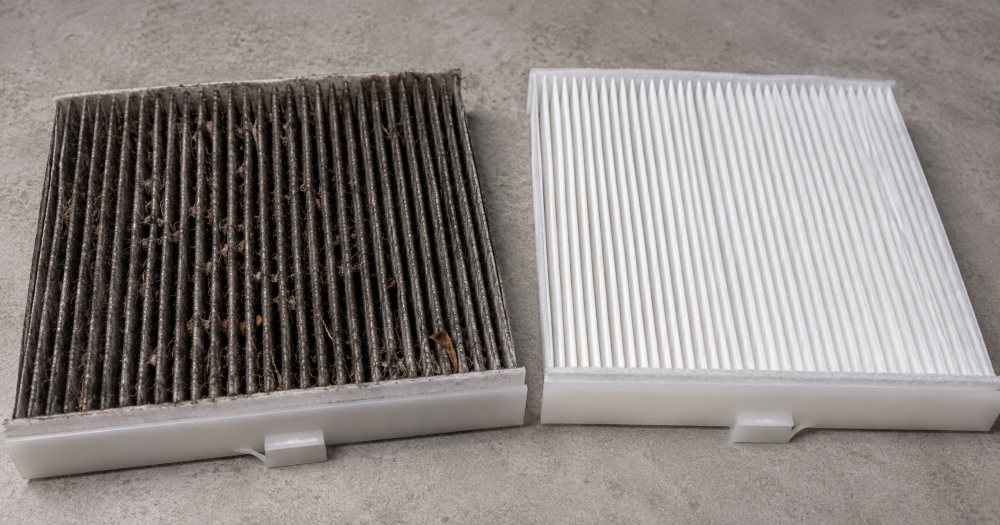
Toyota of Downtown Chicago is an authorized Toyota dealer at 1561 N Fremont Street in Lincoln Park. Our service department is staffed by Toyota-trained technicians and offers Genuine Toyota Parts. Cabin air filter recommendations vary by vehicle model, model year, equipment and operating conditions. The maintenance guide for your specific Toyota is the primary source for the scheduled replacement interval, while a physical inspection can help determine whether earlier service is appropriate.
Toyota does not use one universal cabin air filter replacement interval for every vehicle. The schedule can differ significantly by model and model year. Toyota also notes in several maintenance guides that driving in heavy traffic, urban areas, dusty areas, desert areas or on dirt roads may shorten the filter's service life and make earlier replacement necessary. Chicago drivers may encounter several of those conditions, along with seasonal pollen, road and building construction dust, winter grime and periodic wildfire smoke.
The right approach is to follow the maintenance guide for your exact Toyota and inspect the filter sooner when airflow, odor or operating conditions suggest that it may be loading more quickly. To request an inspection or current replacement estimate from Toyota of Downtown Chicago, call (872) 353-8943 or schedule service online.
This guide explains what the cabin air filter does, how Toyota's schedules vary, which Chicago driving conditions may shorten filter life, common warning signs, standard versus activated-carbon filters, DIY considerations and what to expect when requesting professional service.
What the Toyota Cabin Air Filter Does
The cabin air filter is installed in the vehicle's heating, ventilation and air-conditioning system. On many Toyota models it is accessed behind the glove box, although the exact location and procedure vary. It is separate from the engine air filter under the hood.
A properly fitted cabin air filter can help reduce certain dust, pollen and airborne particles entering through the HVAC intake. Filter performance depends on the filter material, condition, fit, particle size, ventilation setting and vehicle design. A cabin filter does not eliminate every pollutant, gas, odor or allergen, and it cannot make unhealthy outdoor air safe.
As the filter loads with debris, HVAC airflow may decrease. Odors, slow window clearing or unusual vent noise can also justify an inspection, although those symptoms may have other causes within the HVAC system.
Toyota Cabin Air Filter Replacement Intervals Vary by Model
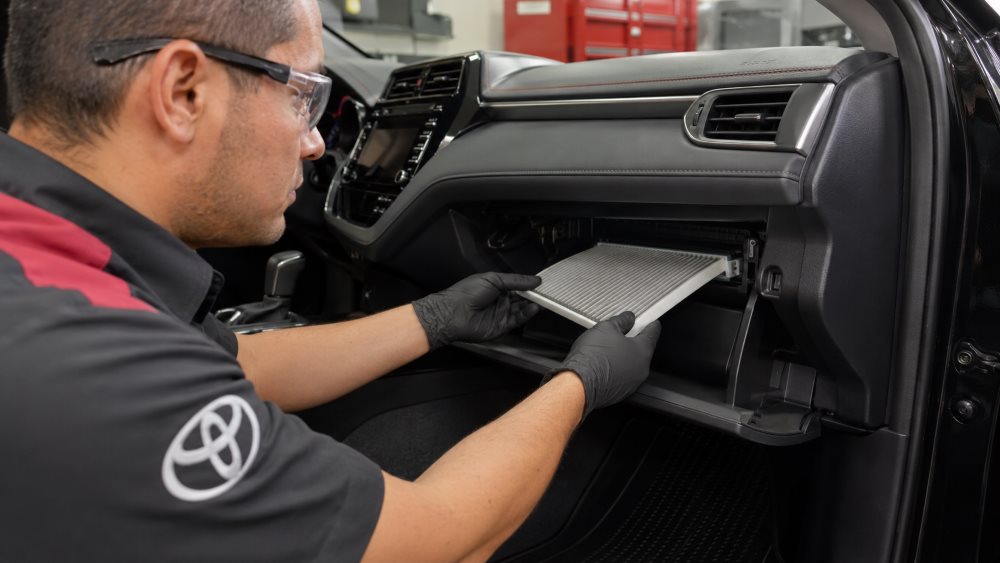
Toyota publishes the applicable maintenance schedule in the Warranty & Maintenance Guide for each vehicle. There is no reliable single mileage figure that applies to the entire Toyota lineup. For example, current Toyota guides may place cabin air filter replacement at different mileage points depending on the model. The exact schedule should always be verified by model year, powertrain and configuration.
| Decision Point | Recommended Action | Important Qualification |
|---|---|---|
| Factory-scheduled interval | Follow the Warranty & Maintenance Guide for the exact model and model year. | Intervals vary across Toyota vehicles. Do not apply another model's schedule to your vehicle. |
| Heavy traffic or urban driving | Consider inspection before the normal replacement point. | Toyota notes that these conditions may shorten filter life, but it does not establish one universal shortened interval for all models. |
| Dusty areas or dirt roads | Inspect the filter more frequently and replace it when condition or symptoms justify service. | Actual loading depends on exposure, filter type and vehicle use. |
| Reduced airflow, fogging or persistent odor | Request a filter and HVAC inspection. | These symptoms are not proof that the filter is the only cause. |
Maintenance disclaimer: The owner's manual and Warranty & Maintenance Guide for the specific vehicle remain the primary references. Dealer recommendations may be based on inspection results and actual operating conditions. Earlier replacement is not automatically required solely because the vehicle is driven in Chicago.
Examples of official Toyota maintenance guides include the 2025 Camry Warranty & Maintenance Guide, the 2025 RAV4 Hybrid Warranty & Maintenance Guide and the 2025 bZ4X Warranty & Maintenance Guide. Owners should use the guide that matches their own vehicle rather than relying on these examples as a universal schedule.
Chicago Conditions That May Affect Filter Life
Chicago driving does not create one automatic replacement interval, but local operating conditions can justify checking the filter before its scheduled replacement point.
Heavy traffic and urban driving
Stop-and-go traffic, congested streets and frequent driving near buses and trucks can expose the HVAC intake to a mixture of road dust, soot and odors. Toyota specifically identifies heavy traffic and urban driving as conditions that may shorten cabin filter life in several maintenance guides.
Periodic wildfire smoke
Wildfire smoke has periodically affected Chicago and the surrounding region. Smoke contains fine particles and gases, and filter performance varies. A standard cabin filter may reduce some particles but does not remove all smoke components. Activated-carbon filters may help reduce certain odors and gases, but they do not make hazardous air safe. During an air-quality alert, follow official public-health guidance and use the vehicle's recirculation setting when appropriate.
Road and building construction dust
Road repairs, demolition and building construction can increase local dust. Drivers who routinely pass active construction areas may find that a filter becomes visibly loaded sooner than expected. A visual inspection is more reliable than assuming a fixed shortened mileage interval.
Spring pollen and plant debris
Tree and grass pollen, seed material and other seasonal debris can accumulate on a filter. Drivers with allergy concerns may choose to inspect the filter before or during peak pollen season. A cabin filter can help reduce some airborne material, but it is not a medical device and does not eliminate allergy exposure.
Winter grime and road debris
Winter traffic can circulate road grime, dried salt residue and other debris. The effect varies with route, traffic volume, weather and vehicle use. These conditions support condition-based inspection but do not establish a separate Toyota factory interval.
Chicago air-quality context
The American Lung Association's 2026 State of the Air report, which analyzes 2022-2024 data, ranked the Chicago-Naperville metropolitan area 15th worst nationally for ozone. Ozone is a gas and should not be confused with the particles a standard cabin filter is designed to capture. This regional ranking provides air-quality context, but it does not by itself determine when a particular Toyota's filter must be replaced.
Musty odor and HVAC moisture
A musty odor may be associated with a dirty filter, but it can also come from moisture or microbial growth around the evaporator or HVAC case. Replacing the filter alone may not resolve the condition. Persistent odor should be inspected before additional cleaning or repair is authorized.
Symptoms That May Justify a Cabin Air Filter Inspection
No symptom count can diagnose a clogged cabin air filter. Any of the following may justify an inspection, especially when the filter is near its scheduled replacement point:
- Reduced airflow from the vents. A loaded filter is one possible cause, but blower, duct, door-actuator and HVAC issues can produce similar symptoms.
- Stale, musty or dusty odor. The filter may be involved, although moisture in the HVAC system or another source may be responsible.
- Slower windshield defogging or defrosting. Restricted airflow can contribute, but the HVAC system should be evaluated if the problem persists.
- Whistling or unusual vent noise. Airflow restriction or an incorrectly seated filter may cause noise, but other HVAC components should not be ruled out.
- Visible debris on the removed filter. A visual inspection can show loading, damage, moisture or poor fit.
- Increased dust or allergy discomfort in the cabin. Filter condition may be one factor, but these symptoms are not a definitive diagnosis.
Replacement should be based on the vehicle's maintenance schedule, filter condition, fit, symptoms and operating environment. An inspection is appropriate when airflow or odor changes are noticeable, even if the scheduled mileage has not yet been reached.
Standard vs Activated-Carbon Cabin Air Filters
Replacement filters differ in construction and performance. Always select a filter specifically listed for the vehicle's model, model year and HVAC application.
- Standard particulate filters are designed to capture certain dust, pollen and airborne debris. Their effectiveness depends on media quality, particle size, fit and condition.
- Activated-carbon filters combine particle filtration with a carbon layer that may help reduce certain odors and gaseous compounds. Performance and service life vary, and these filters do not eliminate all smoke, exhaust gases or pollutants.
An activated-carbon filter may be useful for drivers who frequently encounter traffic odors or smoke, provided that the filter is approved for the vehicle. It should not be described as protection against all PM2.5, ozone, wildfire smoke or other hazardous air contaminants.
Cabin Air Filter Notes by Toyota Vehicle Type
Filter location, part number, replacement interval and access procedure can change by model year and configuration. The descriptions below are general and should not replace the applicable owner's manual or maintenance guide.
Toyota Camry, Corolla, Corolla Cross, Prius and Crown
Many recent Toyota passenger cars and crossovers place the cabin filter behind the glove box. However, replacement intervals are not identical across these models. Confirm the schedule and correct part by VIN or by the exact model-year guide.
Toyota RAV4, Highlander, Grand Highlander and Sienna
These vehicles also commonly use a glove-box-area filter, but access details and maintenance timing vary. Family use, rideshare driving or heavy urban mileage may justify an earlier condition check without creating a universal replacement rule.
Toyota 4Runner, Land Cruiser and Sequoia
Vehicles driven on unpaved, dusty or muddy roads may load the cabin filter more quickly. Toyota's own maintenance language recognizes dusty and dirt-road use as a reason that earlier replacement may be necessary.
Toyota Tacoma and Tundra
Trucks used near construction sites or on unpaved roads may need more frequent filter inspection. Do not apply a fixed 10,000-, 12,000- or 15,000-mile replacement interval unless it is listed in the maintenance guide for the exact vehicle.
Toyota hybrids, plug-in hybrids and battery-electric vehicles
Electrified Toyotas also use cabin air filters. The powertrain does not eliminate the need for filter service, but the interval should not be assumed to match a gas model with a similar name. Verify the schedule for the exact hybrid, plug-in hybrid or battery-electric model.
DIY Replacement vs Authorized Toyota Service
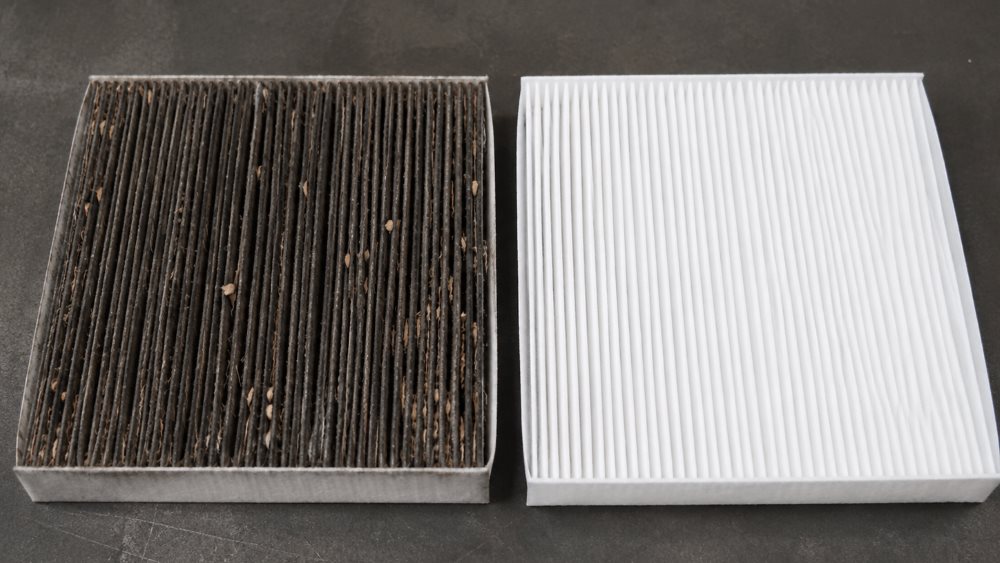
Cabin air filter replacement is a manageable DIY task on many Toyota models, but access and airflow-arrow orientation vary. Follow the owner's manual or an official vehicle-specific procedure. Do not force the glove box, cover or filter housing, and make sure the replacement filter is fully seated.
An authorized Toyota service center may add value through:
- Vehicle-specific parts verification. The correct filter can be identified by model, year, configuration or VIN.
- Correct orientation and fit. A filter installed backward, bent or incompletely seated may reduce performance or create noise.
- Related HVAC inspection. Persistent odor or weak airflow may require evaluation of the blower, evaporator, ducting or other components.
- Documented maintenance. The service visit and installed part can be recorded in the dealership's service history.
- Convenient coordination. Filter service may be performed during an existing oil-change, tire or inspection appointment when appropriate.
Warranty clarification: Using an independent repair facility or a properly specified aftermarket part does not by itself void the vehicle warranty. However, damage caused by a defective, incompatible or incorrectly installed part may not be covered. The manufacturer or dealer generally must show that the aftermarket part or installation caused the damage before denying coverage for that damage. See the Federal Trade Commission's auto warranty guidance and the written Toyota warranty applicable to the vehicle.
Cabin Air Filter Replacement Cost in Chicago
Cabin air filter pricing varies by model, filter type, parts availability and labor policy. Taxes, shop supplies and any additional HVAC cleaning or repair may affect the total. A website article cannot guarantee a current out-the-door price or appointment duration.
Before authorizing service, request a current estimate for the exact vehicle and confirm whether the quoted amount includes parts, labor, taxes and fees. Call Toyota of Downtown Chicago at (872) 353-8943 or review the current service specials. Specials, eligibility requirements, prices and expiration dates may change and should be verified at the time of scheduling.
Frequently Asked Questions
How often should I replace my Toyota's cabin air filter in Chicago?
Use the Warranty & Maintenance Guide for the exact model and model year. Toyota intervals vary, and Chicago does not create one automatic replacement mileage. Heavy traffic, urban driving, dusty conditions or dirt-road use may shorten filter life, so earlier inspection and condition-based replacement may be appropriate.
Is 15,000 miles the standard interval for every Toyota?
No. Toyota does not use one universal 15,000-mile cabin air filter interval across the entire lineup. Some model-year maintenance charts call for replacement at different mileage points. Verify the schedule for the exact vehicle rather than relying on a general rule.
What are the symptoms of a clogged cabin air filter?
Possible signs include reduced vent airflow, unusual vent noise, slower window clearing, odor or visible debris on the filter. These symptoms may also result from other HVAC issues, so they should prompt an inspection rather than an automatic diagnosis.
How much does Toyota cabin air filter replacement cost?
Pricing depends on the vehicle, filter specification and service provider. Contact the service department for a current written estimate and ask whether parts, labor, taxes, fees or additional HVAC services are included.
Can I replace my Toyota's cabin air filter myself?
Many Toyota cabin filters are accessible to owners, often near the glove box, but the procedure varies. Follow the vehicle-specific manual, use a correctly specified filter and confirm the airflow orientation. Stop if access requires force or if the housing, wiring or glove-box components could be damaged.
Do I have to use a Genuine Toyota cabin air filter to keep my warranty?
No manufacturer-branded filter or dealership installation should be described as universally required to keep the entire vehicle warranty valid. A properly specified aftermarket filter or independent installation does not by itself void the warranty. Damage caused by an incompatible, defective or improperly installed part may be excluded from coverage under the written warranty and applicable law.
What is the difference between a standard and activated-carbon cabin filter?
A standard filter targets certain particles such as dust and pollen. An activated-carbon filter adds a carbon layer that may help reduce certain odors and gaseous compounds. Neither type removes every pollutant, and neither should be presented as making wildfire smoke or unhealthy outdoor air safe.
Does a cabin air filter remove PM2.5 or ozone?
Performance against fine particles varies by filter design and fit. A standard cabin filter should not be assumed to remove all PM2.5. Ozone is a gas and is not the same as particle pollution; a standard particulate filter is not designed to eliminate it. Follow public-health guidance during poor-air-quality events.
Does the cabin air filter affect fuel economy?
The cabin air filter primarily affects HVAC airflow and interior comfort, not the engine's incoming air. Any effect on overall energy or fuel use from blower restriction is generally secondary. The engine air filter is a separate component.
Where is the cabin air filter located on my Toyota?
On many Toyota models it is located behind or near the glove box, but the location and access procedure vary by model year and configuration. Check the owner's manual before attempting replacement.
Does ToyotaCare cover cabin air filter replacement?
ToyotaCare covers eligible normal factory-scheduled maintenance within the applicable plan period, but terms and coverage periods can vary by vehicle model year. Whether a cabin air filter replacement occurs within a covered visit depends on the vehicle's maintenance guide and ToyotaCare terms. Confirm coverage and exclusions for the specific VIN before service. See Toyota's maintenance plan information for current program details.
Do Toyota hybrids and EVs have cabin air filters?
Yes. Toyota hybrids, plug-in hybrids and battery-electric vehicles use cabin air filters. Their replacement schedules should be verified separately and should not be assumed to match a gas-powered model.
Schedule Cabin Air Filter Service in Chicago
Consider scheduling an inspection when the filter reaches the replacement point listed in your vehicle's maintenance guide, when the vehicle has had sustained exposure to heavy traffic or dusty conditions, or when HVAC airflow or odor changes. The service team can inspect the filter, confirm the correct replacement part and explain any additional HVAC recommendation before work is authorized.
Service Department: (872) 353-8943
Location: 1561 N Fremont Street, Chicago, IL 60642
Service Hours: Monday-Friday 7:00 AM-7:00 PM | Saturday 8:00 AM-5:00 PM | Sunday Closed
Final maintenance recommendations depend on the vehicle's model, model year, condition, maintenance guide and operating environment. This article provides general educational information and is not a warranty, guarantee, medical recommendation or substitute for inspection of the specific vehicle. Prices, promotions, hours and program terms may change. Verify all current terms before scheduling or authorizing service.
About Toyota of Downtown Chicago Service Center
Toyota of Downtown Chicago is an authorized Toyota dealership serving Chicago and surrounding communities from 1561 N Fremont Street in Lincoln Park. The service department is staffed by Toyota-trained technicians and offers maintenance and repair for gas, hybrid, plug-in hybrid and battery-electric Toyota vehicles. Cabin air filter service can be coordinated with other scheduled maintenance after the correct interval, part and current estimate are confirmed for the specific vehicle.
This guide reflects model-specific Toyota maintenance guidance, Federal Trade Commission consumer warranty guidance and Chicago air-quality context available when reviewed. Replacement intervals, warranty terms, ToyotaCare coverage, prices and promotions vary. The maintenance guide and written warranty for the specific vehicle control. Published June 17, 2026 — Last reviewed July 10, 2026.
